

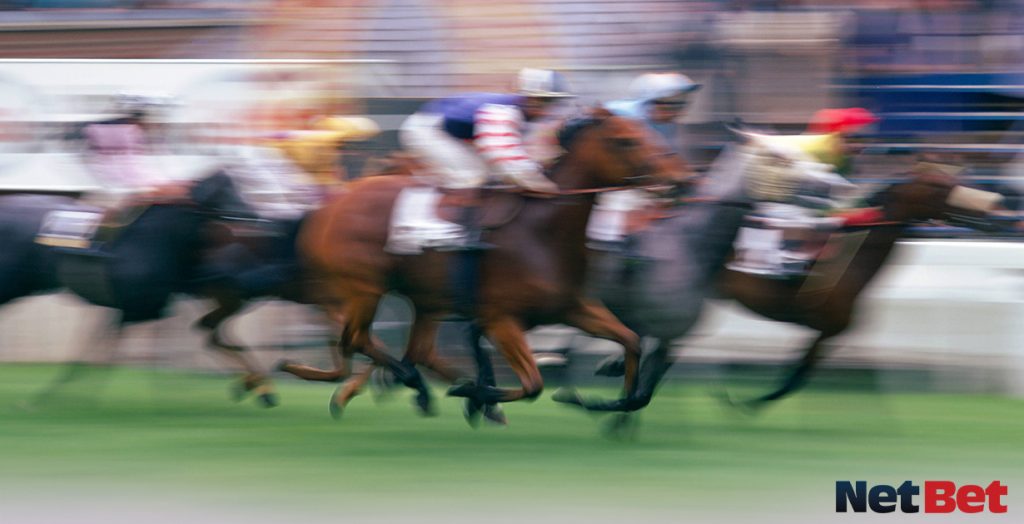
The Grand National is one of the most famous events in horse racing, attracting millions of viewers and betting enthusiasts, capturing the imagination of racing fans in Ireland and beyond. First run in 1839, the historic steeplechase at Aintree is renowned for its demanding distance, challenging fences and unpredictable finishes.
Winning the Grand National requires more than a talented horse. Trainers must prepare their runners for a unique test of stamina, jumping ability and race-day conditions. Over the years, a select group of trainers have repeatedly found success in one of racing’s most demanding contests.
But who are the most successful Grand National trainers, and what makes their achievements so significant?
What Makes a Successful Grand National Trainer?
The Grand National presents a different challenge from most other major races. Its long distance, large field and famous fences require horses to demonstrate stamina, jumping accuracy and the ability to handle pressure.
A trainer’s job begins long before the runners reach the starting line. Preparation can include selecting suitable races, managing a horse’s workload, assessing its fitness and deciding whether the Aintree course is likely to suit its racing style.
Experience also matters. Trainers who understand the demands of the National can use previous performances, training methods and knowledge of individual horses to inform their preparations. However, even the most experienced trainer cannot eliminate the uncertainty inherent in a race of this nature.
Fred Rimell: Four Grand National Victories
Fred Rimell is one of the defining figures in Grand National history. His four winning horses were Nicolaus Silver in 1961, Gay Trip in 1970, Rag Trade in 1976 and Lucius in 1978.
These victories came across different eras of National Hunt racing, demonstrating Rimell’s ability to prepare horses for the race over an extended period.
His success helped establish him as one of the sport’s most respected trainers. Producing a Grand National winner is a significant achievement; returning to win the race several times with different horses is a testament to a trainer’s experience and understanding of the event.
Rimell’s record remains an important benchmark when discussing the most successful Grand National trainers.
Ginger McCain: The Trainer Behind Red Rum
Ginger McCain is inseparable from the story of Red Rum, one of the most celebrated horses in racing history.
Red Rum won the Grand National in 1973, 1974 and 1977. His back-to-back victories in 1973 and 1974 were particularly remarkable, while his 1977 success completed an extraordinary sequence of achievements at Aintree.
McCain also trained Amberleigh House, who won the race in 2004 under jockey Graham Lee.
These four victories placed McCain alongside Fred Rimell among the trainers with the most Grand National wins in the traditional historical rankings.
McCain’s achievement was not simply about producing a champion. Red Rum had experienced hoof problems earlier in his career, and McCain’s work helped transform him into a horse capable of excelling over the National’s demanding course. Their partnership became one of the most enduring stories in British and Irish sporting history.
Willie Mullins: A Modern Grand National Force
Irish trainer Willie Mullins has become one of the leading figures in modern National Hunt racing, with major victories at Cheltenham, Punchestown and Aintree.
His first Grand National success came with Hedgehunter in 2005. Nearly two decades later, he won again with I Am Maximus in 2024. Nick Rockett followed in 2025, ridden by Mullins’s son Patrick Mullins, as the trainer secured consecutive victories.
Mullins’s success reflects the strength and depth of his stable, along with his ability to prepare horses for major staying chases. His Grand National runners have also demonstrated the importance of selecting horses with the right combination of stamina, jumping ability and racing experience.
The Grand National remains difficult to win, regardless of a stable’s reputation. Nevertheless, Mullins’s recent record has firmly established him among the leading trainers associated with the modern race.
Lucinda Russell: A Scottish Training Success Story
Lucinda Russell became a Grand National-winning trainer when One For Arthur triumphed in 2017. The victory was especially memorable because it made her only the fourth woman to train a Grand National winner.
Russell returned to the winner’s enclosure in 2023 when Corach Rambler won under Derek Fox. The horse had already established himself as a leading staying chaser, and his Aintree performance brought another major success for the Scottish training operation.
Her achievements illustrate that Grand National success is not confined to the biggest Irish or English stables. A carefully prepared horse, an effective training team and a suitable racing campaign can all contribute to a memorable result.
Other Trainers Who Have Made Their Mark
Several other trainers have contributed to the Grand National’s rich history.
Donald McCain
Donald McCain trained Ballabriggs to win the 2011 Grand National. The victory continued the McCain family’s association with the race, following the achievements of his father, Ginger McCain.
Jenny Pitman
Jenny Pitman trained Corbiere to victory in 1983 and Royal Athlete in 1995. Her successes helped establish her reputation as one of the most prominent trainers of her era.
Paul Nicholls
Paul Nicholls trained Neptune Collonges, the winner of the 2012 Grand National. The horse’s victory came in a dramatic finish, winning by a nose from Sunnyhillboy.
Henry de Bromhead
Irish trainer Henry de Bromhead won the 2021 Grand National with Minella Times, ridden by Rachael Blackmore. The result was historic for Blackmore, who became the first female jockey to win the race.
What Can Racing Fans Learn From Grand National Trainers?
Looking at successful trainers can help racing fans understand the preparation and history behind the Grand National. However, past achievements should be considered alongside a horse’s current form, fitness, jumping record, stamina and suitability for the race.
A trainer’s previous winners do not guarantee future success. Conditions change, competitors differ and the Grand National remains an exceptionally demanding event.
If you are new to the sport, our guide to horse racing betting for beginners explains key betting terms, odds and the basics of understanding a race.
Follow the Grand National and Other Horse Racing Events
The Grand National is just one of many major events on the racing calendar. From staying chases to competitive flat races, every meeting brings a different combination of horses, trainers and racing conditions.
Explore the latest markets and racing events on our exclusive horse racing page, or visit NetBet IE to discover other available sports markets.
Remember that racing outcomes are uncertain, even when a horse has a successful trainer behind it. If you choose to bet, set a budget you can afford to lose and never treat betting as a way to make money.
When you choose NetBet Sport, you can enjoy a whole range of top-quality sports and markets. Whatever you choose, always remember to bet responsibly. Here at NetBet, player wellbeing is our number one priority – check out our Responsible Gambling tips and tools page for more information. When the fun stops, stop.